The camping checklist for a weekend by car is shorter than a catalog: shelter, something to sleep on and in, a light, and a way to eat and drink. The rest can stay home. Pack for the campground you actually booked and the weather on that drive. A tent you can pitch, a pad under the bag, and dinner you can make without a drawer of cookware will do more for the evening than another gadget.
This is a packing guide, not a tent review and not a wilderness course. The National Park Service camping guide sets the basic groups; its Ten Essentials guidance is the small safety check. Your campsite’s rules and the current forecast still get the last word.
For a weekend car-camp you need shelter, something to sleep on and in, a light, and a way to eat and drink. The rest can stay home.
What you need
| Group | Bring | Leave home |
|---|---|---|
| Shelter | Tent, stakes, rainfly, and a way to secure them; see our tent guide | A second shelter on a short, fair-weather stay |
| Sleep | Sleeping bag matched to the forecast, an insulating pad, dry sleep clothes; see sleeping bags for adults | A stack of spare bedding |
| Light | Headlamp or lantern, spare batteries or a charged backup | Several decorative lights before you have one that works |
| Food and water | Planned meals, drinking water or a confirmed fill-up, food storage, simple cleanup; see camp cooking | A full home-kitchen drawer |
Read the table as a sequence, not a shopping order. The camping packing list starts with the night’s sleep. After that, it is about the place: whether water is on site, what food storage the operator requires, how cold the night will be, and whether fires or stoves are allowed. The NPS notes that frontcountry campers may use a jug and a cooler, while backcountry water needs treatment. Do not mash those trips into one universal camping essentials list.
Treat a campground checklist as the same car camping checklist with the site rules filled in. Confirm water, storage, and fire policy, then pack.
Step 1: Shelter and sleep, then stop
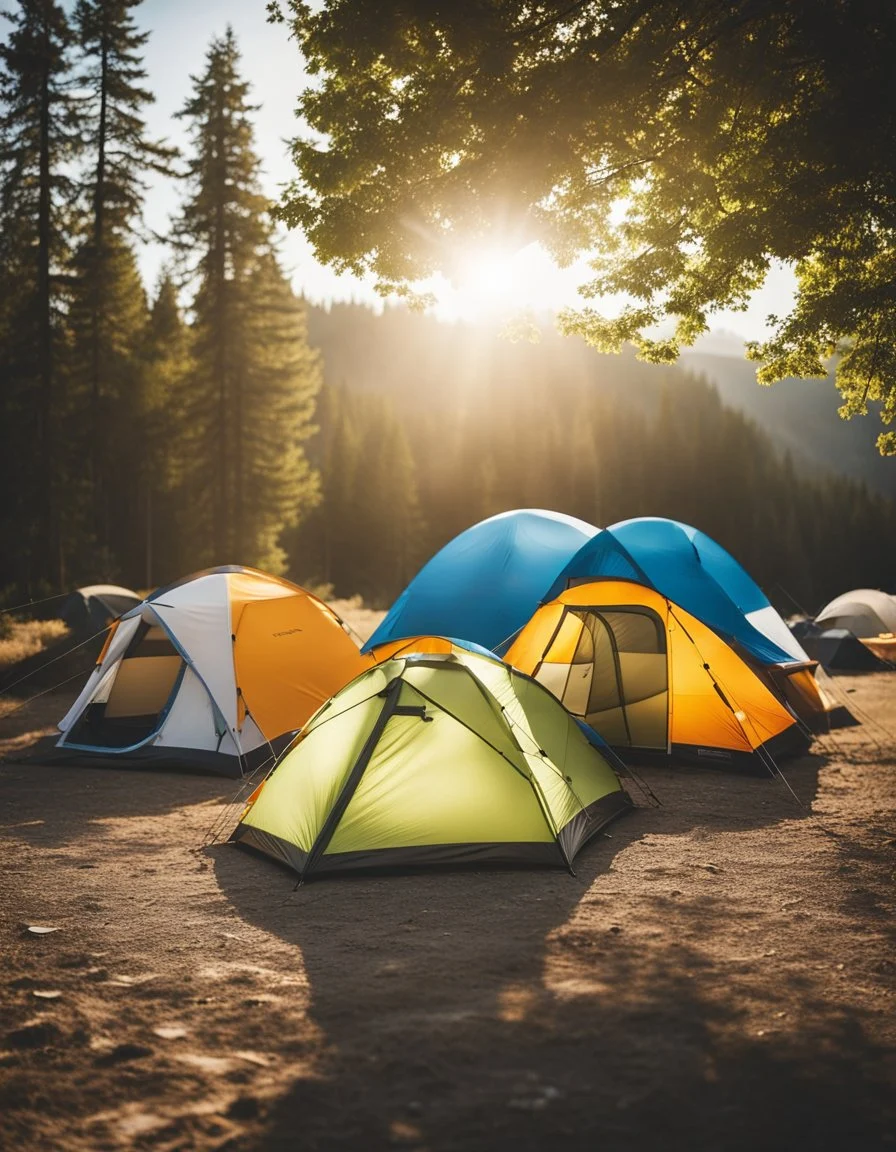
Choose a tent that fits the people who will sleep in it, and pitch it once at home. A two-person label is sleeping space, not automatically room for two people, a dog, and every bag; the NPS makes that distinction in its shelter guidance. Confirm that the poles, stakes, and rainfly are in the same bag before you leave. That check is more useful than another ranking of tents at a traffic light.
A weekend car-camping tent from our tent guide. Check the listing for size before you buy. Affiliate link.
Put a pad under the sleeping bag. It is not only for a softer night: the NPS explains that a pad helps limit moisture and heat loss beneath you. Choose a bag for the forecast and how you actually sleep, rather than trusting a marketing temperature number to feel the same to everyone. Keep a dry layer for sleeping. Our tent guide and sleeping-bag guide own the buying decisions. This checklist owns the trunk.
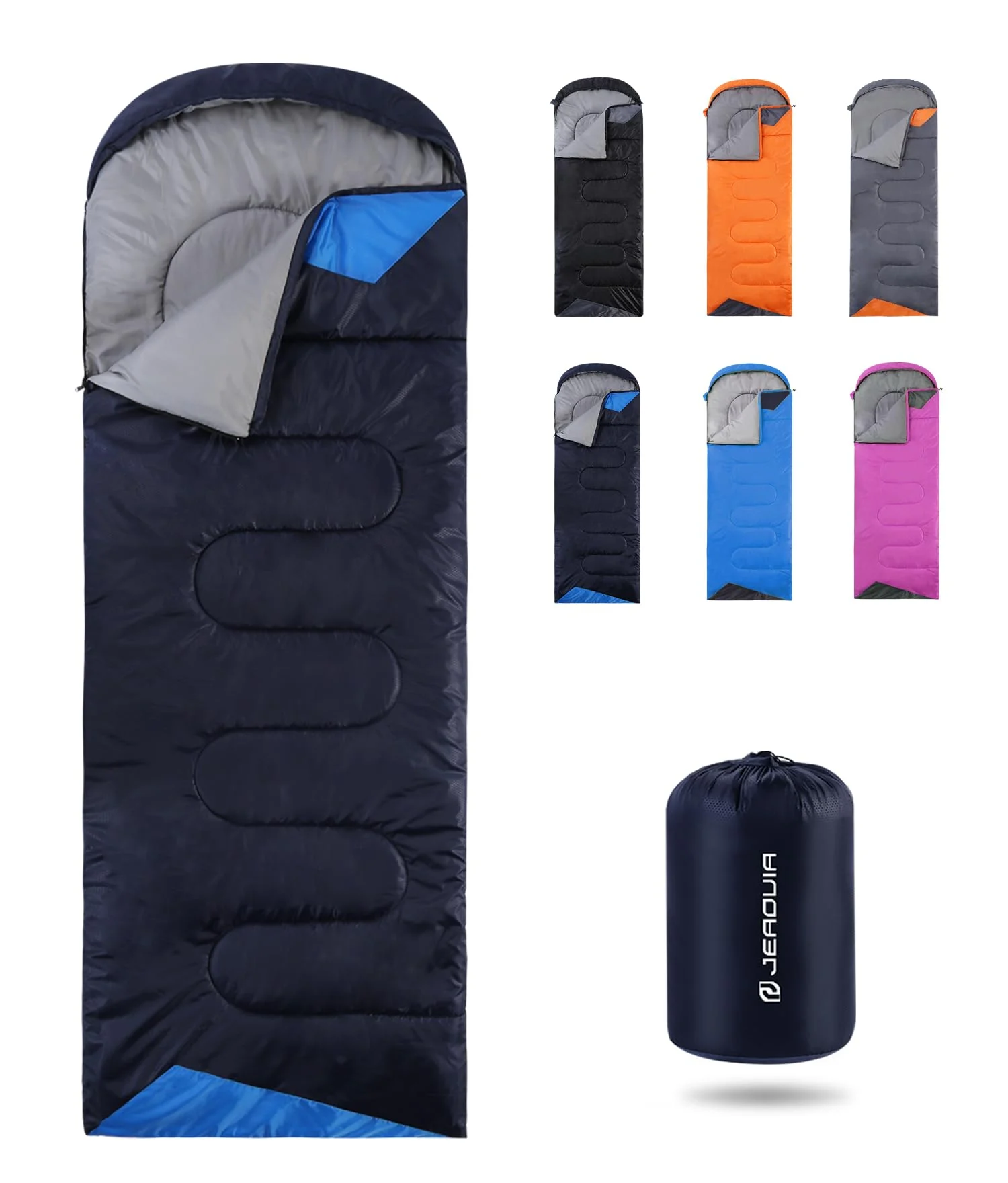
A rectangular camping bag from our adult sleeping-bag list. Match the maker’s rating to your forecast. Affiliate link.
The tent does not need to be a showroom. A book by the door, a place for damp shoes, and enough space to find the light are enough. If you want the interior list, the tent-interior essentials guide has that lane. Here, make sure the sleeping system exists before adding extras.
Step 2: Light and a meal
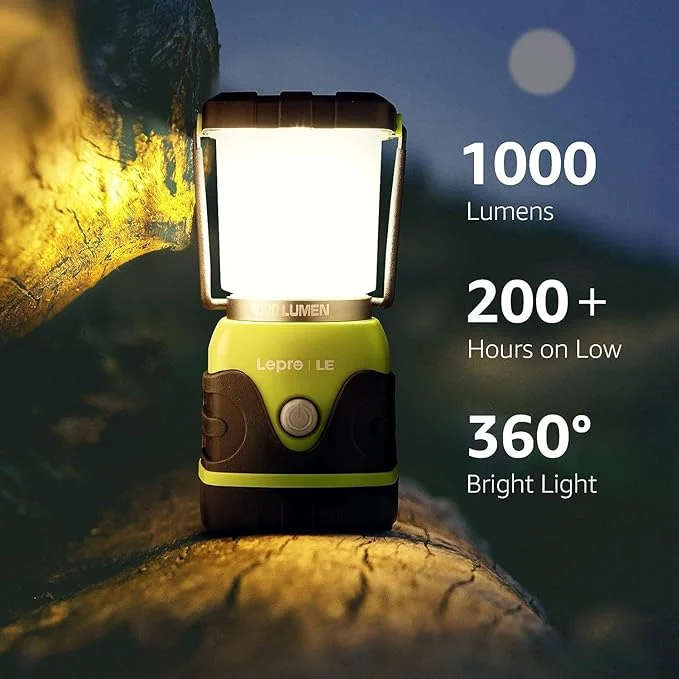
Pack the light where you can reach it before the car is empty. The NPS recommends a hands-free lamp and spare batteries. A charged phone helps. It is not a substitute for a lamp that still works when the phone is in a pocket. If you walk beyond the campground, check the route and carry navigation and first aid that fit that outing; the Ten Essentials are a baseline for that walk, not an excuse to pack a retail wall into the car.
A battery camp lantern already used on the site. Pack spare batteries. Affiliate link.
Then name dinner. Ingredients, how you will cook it, and what you will eat it with. A stove only earns its place if the fuel and cookware come too. If the campground has no permitted cooking option for your plan, bring food that does not need one. Store food closed, keep the cooking area clean, and follow the operator’s rules; the NPS warns that loose food attracts animals. Its camping food advice also separates frontcountry coolers from backcountry storage. Our camp-kitchen guide covers stoves and coolers. This article does not.
Water belongs on the list before coffee. Confirm a potable supply, then bring drinking water or a jug you can fill. If you leave the developed campground, the water plan changes; the NPS says backcountry water needs filtering, purification, or boiling. For a simple weekend, a mug, something to eat from, and a small cleanup kit are enough. Bring a rubbish bag and leave the site ready for the next person.
Look at the overnight low near the campground, not only the sunny afternoon when you load the car. Pack a warm layer, rain protection, and clothes you can sleep in dry. The NPS Ten Essentials recommend extra clothing for a sudden change; the camping guide advises changing into dry clothes before bed. Check again on the morning you leave. Add medications, ordinary hygiene, and a basic first-aid kit. Those are not catalog photographs, which is why they are worth checking.
What stays home
Car camping gives you room. It does not require filling it. The second stove, the backup chair for a chair, and the gadget you have never unpacked can wait. A small kit you can use beats a pile you have to sort in the rain. Carry the camping essentials that match this trip, then leave space for a paperback and a slow morning. Built to outlast the trend cycle is a better standard than a seasonal haul.
This is not the same question as assembling an emergency cache. Basic first aid, a working light, and a weather plan are prudent. A full survival-kit roundup is a different article. See our camping survival kits guide if that is what you meant to research. Light packing is a choice made after the safety check, not instead of one.
If this is the first night
Start with a campground that states its facilities and rules. Check the reservation, arrival window, water, food storage, and fire policy with the operator. Lay the gear out at home and pitch the tent once. You will learn more from a missing pole there than at dusk beside the car. For the first-night sequence, from choosing a site to settling in, read our beginner’s guide to camping. This checklist is the bag you take. It is not a replacement for learning the place.
Or skip the pack
Not every weekend needs a tent. If the point is quiet Catskills air rather than the pleasure of setting up camp, Clove Creek Cabin at Unplugged Cabins is a stay to consider in Hunter / Lanesville. Check the current listing for dates. We don’t run cabins. We know people who do. Bring the paperback either way.
FAQ
What is on a camping checklist?
Shelter, a sleep system, light, food, water, weather-appropriate clothes, hygiene, and basic safety supplies. Confirm the campground’s rules first; the NPS camping guide shows why water, food storage, and shelter change with the setting.
What are camping essentials if I am driving in?
The same core items, with room in the car for a water jug, cooler, or a more comfortable pad when they fit the trip. Car camping essentials do not cancel the weather, the food-storage rules, or the need for a working light.
Is a survival kit the same as a camping checklist?
No. A weekend camping checklist organizes gear for sleeping, eating, and staying comfortable on that trip. Basic first aid and navigation still matter. For a dedicated preparedness discussion, see our survival-kit guide.
What should I pack for one weekend?
Use the table above, then add what the forecast and campground require. Plan meals and water. Test the shelter. Keep a dry layer for night. If an item has no job on this specific weekend, it may not need a ride.
Log off. Pitch something. Check the core gear while the car is still in the driveway, confirm the site rules, and go make a quiet evening of it.
As an Amazon Associate, Morningside NYC earns from qualifying purchases.